How To Cover Up A Tattoo
Thinking about covering up an old tattoo? Learn the key factors that affect cover-up tattoos and how to get the best possible result from a cover-up.
By Vegan Tattoo Studios · Updated
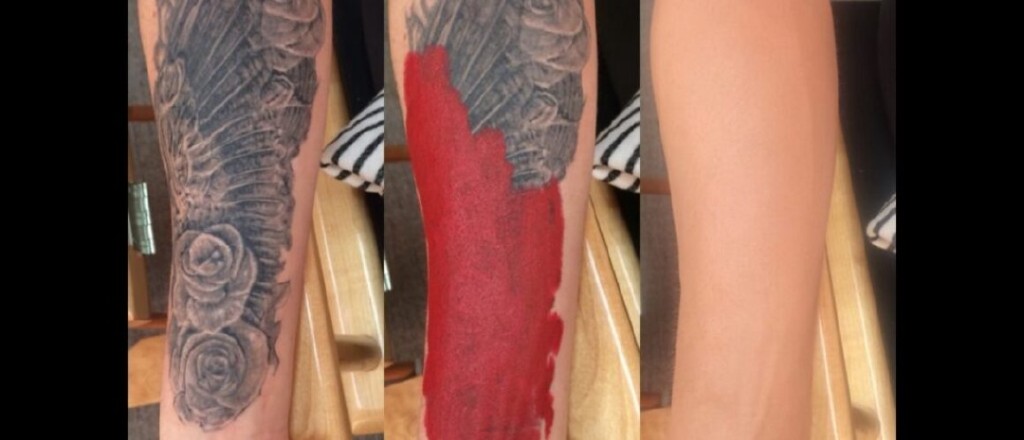
If your current tattoo no longer appeals to you, you can conceal it with a cover-up tattoo. Virtually any tattoo can be covered, though some need to be lightened first with laser removal — usually only two or three sessions.
A good cover-up design needs room for a generous amount of black shading and enough coverage to fully mask what’s underneath, which is why sparse styles like tribal rarely work as cover-ups. Custom designs are the ideal option, but bring any idea you like to your artist and work from there. Even a large, solid black tattoo can be covered — a skilled cover-up artist will build a strategy around it and design something you can genuinely get excited about.
What determines how well a cover-up turns out
When you’re considering a cover-up, these factors will shape the process, the outcome, and ultimately how happy you are with the result:
- The color of the original tattoo. The lighter the colors and the softer the ink application, the more freedom you’ll have in the color and design of the cover-up. Dark, heavily saturated tattoos are harder to hide than soft-colored ones — as a rule, the bolder and darker the new design, the better it will cover. A watercolor-style piece, for example, is far easier to cover than a bold traditional tattoo. Where strong colors are involved, your artist may recommend laser fading first.
- How old and faded the original is. Faded tattoos are easier to cover because the ink has had time to break down, leaving the artist something closer to a blank canvas. The dimmer the old tattoo, the fewer (if any) removal sessions you’ll need before covering it.
- The design of the original. Tattoos with minimal color, no heavy outlines, and soft gradients over a small area are the easiest to cover.
- What you want the new design to be. A cover-up doesn’t offer the same freedom as fresh skin — it’s the difference between drawing on a blank canvas and reworking an existing drawing. Complex designs with plenty of texture and shading tend to hide old work best, and fading the existing tattoo first widens your options considerably.
- Whether parts of the old tattoo can be salvaged. Sometimes the best cover-up doesn’t cover at all — it builds on what’s there. Embellishing and extending an existing tattoo can produce genuinely striking results without a single laser session.
- The size of the original. Expect the cover-up to be larger than the tattoo it replaces — often around thirty percent larger. The extra size lets the artist place the darkest areas of the new design over the old work and reserve lighter colors for untouched skin, deceiving the eye into believing the cover-up is the only tattoo that was ever there.
- Touch-ups. Depending on the original tattoo and the new design, you may need up to three touch-up sessions before the cover-up is truly complete. It may look perfect leaving the shop, then let hints of the old design peek through once the ink settles — a few touch-ups will finish the job.
Here’s another how-to article you may like: How to get inked and stay vegan.